Extreme weather events have become one of the defining features of the 21st century. From devastating hurricanes and heatwaves to record-breaking floods and wildfires, the intensity and frequency of these events have surged dramatically. While some level of climate variability is natural, scientists now agree that human-induced climate change is amplifying these extremes. Understanding the science behind extreme weather events and why they are becoming more common helps us prepare for the challenges of a rapidly changing planet.
The Link Between Climate Change and Extreme Weather
At the heart of increasing extreme weather is the enhanced greenhouse effect. Human activities—especially the burning of fossil fuels, deforestation, and industrial emissions—have increased concentrations of greenhouse gases like carbon dioxide, methane, and nitrous oxide in the atmosphere. These gases trap heat, raising global temperatures and altering the planet’s climate system.

A warmer atmosphere holds more energy and moisture, which fuels weather systems and intensifies their behavior. For example, a small increase in global temperature can drastically affect rainfall, wind patterns, and ocean currents, leading to more unpredictable and severe weather events worldwide.
How Heatwaves Are Becoming More Frequent and Intense
Heatwaves are one of the clearest indicators of a warming world. As average global temperatures rise, prolonged periods of extreme heat are becoming more common and more severe.
When atmospheric pressure systems stabilize over a region, they trap warm air near the surface—a phenomenon known as a “heat dome.” These domes prevent heat from dispersing, causing temperatures to soar for days or even weeks. The effects can be deadly, particularly in urban areas where heat is absorbed by concrete and asphalt, creating “urban heat islands.”

Research shows that human-induced climate change has made heatwaves more likely in nearly every part of the world. For example, the European and North American heatwaves of recent years were far more intense due to higher baseline temperatures caused by global warming.
The Science of Stronger Storms and Hurricanes
Hurricanes, typhoons, and cyclones draw their energy from warm ocean waters. As global sea surface temperatures rise, storms can grow stronger and wetter. Warmer air also holds more water vapor, leading to heavier rainfall when storms make landfall.
Additionally, rising sea levels—another consequence of global warming—intensify the damage caused by storm surges and coastal flooding. Scientists have observed that while the overall number of tropical storms may not have increased significantly, their intensity and destructive potential have. Category 4 and 5 hurricanes, for instance, are becoming more common, and their rainfall totals have grown significantly.
Climate change can also alter storm tracks, meaning some regions that previously experienced moderate storm activity may now face stronger and more frequent storms than before.
Changing Rainfall Patterns and the Rise of Flooding
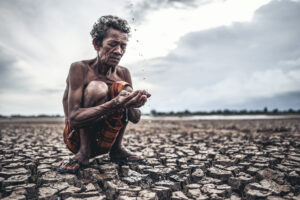
One of the paradoxes of climate change is that it can cause both droughts and floods, depending on the region. Warmer temperatures speed up evaporation, drying out soils and leading to drought conditions. At the same time, that moisture accumulates in the atmosphere and can later be released as intense rainfall.
This pattern contributes to flash floods and prolonged flood events. For instance, when storms stall over an area—something that’s happening more often due to slower jet streams—the resulting downpours can overwhelm drainage systems and cause catastrophic flooding.
Furthermore, melting glaciers and ice caps contribute to rising sea levels, which worsen coastal flooding and erosion. The combination of more moisture in the air, stronger storms, and higher seas creates a perfect storm of flood risk worldwide.
The Growing Threat of Wildfires
Wildfires are becoming increasingly destructive and harder to control. While fires are a natural part of many ecosystems, climate change is extending fire seasons, drying out vegetation, and creating conditions where fires ignite and spread more easily.
Rising temperatures, prolonged droughts, and shifting rainfall patterns all contribute to creating tinderbox conditions. Once a fire starts, it can generate its own weather, including lightning and strong winds, further fueling its spread.
The western United States, southern Europe, and Australia have all experienced record-breaking wildfire seasons in recent years—events that scientists link directly to human-caused climate warming. Beyond the immediate devastation, wildfires release massive amounts of carbon dioxide, worsening the greenhouse effect and perpetuating a dangerous feedback loop.
The Role of the Jet Stream and Atmospheric Circulation
The jet stream—a fast-moving current of air that circles the northern hemisphere—plays a major role in weather patterns. Climate change is affecting the jet stream’s strength and position. As the Arctic warms faster than the rest of the planet, the temperature difference between polar and equatorial regions decreases, weakening the jet stream.
This weaker jet stream meanders more, allowing weather systems to linger longer over regions. The result? Persistent heatwaves, long droughts, and prolonged rain events. This change in atmospheric circulation is one of the key drivers of the more erratic and extreme weather seen in recent years.
Preparing for a Future of Climate Extremes
The growing frequency of extreme weather is not a distant concern—it’s a present-day reality. To adapt, societies must invest in climate resilience and mitigation. Strengthening infrastructure, improving early-warning systems, and adopting sustainable energy practices are critical steps.
Reducing greenhouse gas emissions remains the most effective long-term solution. Transitioning to renewable energy, protecting forests, and changing consumption patterns can slow the pace of climate change and reduce future risks.
Scientific research continues to refine our understanding of how these systems interact, but the message is clear: human influence is amplifying natural variability to dangerous levels. Collective action, informed by science and guided by global cooperation, is the key to stabilizing the planet’s climate.
FAQs
What causes extreme weather events to become more frequent?
Human-induced climate change increases global temperatures and alters atmospheric patterns, making extreme weather events like heatwaves, storms, and floods more common and intense.
How does global warming affect hurricanes?
Warmer oceans provide more energy for hurricanes, leading to stronger winds, heavier rainfall, and greater storm surges.
Are extreme weather events natural?
Yes, but human activity is amplifying their frequency and severity beyond natural levels.
What regions are most vulnerable to extreme weather?
Low-lying coastal areas, arid regions, and densely populated urban zones are particularly vulnerable to the effects of extreme weather.
What can we do to reduce extreme weather risks?
Reducing carbon emissions, protecting ecosystems, and investing in climate-resilient infrastructure are essential for mitigating the impacts of extreme weather.