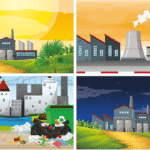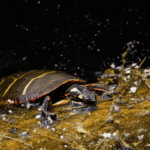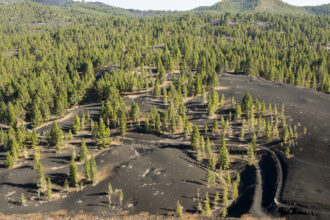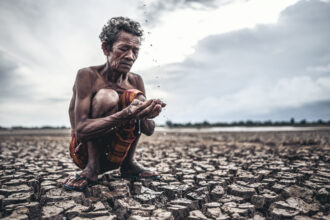
Industrial agriculture has revolutionized global food production, enabling humanity to sustain a population that continues to grow at an unprecedented rate. However, this system—characterized by large-scale monocropping, heavy mechanization, synthetic fertilizers, and chemical pesticides—has also come with a heavy environmental cost. Beneath the surface of high yields and economic efficiency lies a deepening crisis: the degradation of soil and water quality. Over time, these impacts threaten not just ecosystems but the very foundations of food security and environmental balance.
Understanding Industrial Agriculture
Industrial agriculture refers to the large-scale, technology-driven production of crops and livestock designed to maximize efficiency and output. It often relies on monoculture practices, where the same crop is grown repeatedly on the same land, and on intensive use of synthetic fertilizers and pesticides to sustain productivity.
While this model has proven successful in feeding billions, its long-term ecological footprint is undeniable. The very practices that boost short-term yields can erode soil health, deplete groundwater, and contaminate waterways—consequences that take generations to reverse.
Soil Degradation: The Silent Crisis
Healthy soil is the cornerstone of sustainable agriculture, yet industrial farming practices have progressively stripped it of its vitality. Continuous tilling, chemical overuse, and monocropping disrupt natural soil ecosystems, leading to erosion, compaction, and loss of organic matter.
Loss of Soil Fertility
Synthetic fertilizers, while effective in the short term, fail to replenish the organic components and microbial life that make soil fertile. Over time, this leads to nutrient imbalances and diminished soil structure. As organic matter declines, the soil’s ability to retain moisture and nutrients decreases, making crops more vulnerable to droughts and diseases.
Erosion and Desertification

Without the protective cover of diverse plant roots, topsoil—the most fertile layer—is easily eroded by wind and rain. In heavily farmed regions, this erosion can remove millennia’s worth of accumulated nutrients in just decades. Once soil is degraded beyond a certain point, it turns into infertile land, a process known as desertification.
Chemical Contamination
Pesticides and herbicides often persist in the soil long after application. These residues can alter soil microbial communities, reducing biodiversity and slowing natural decomposition processes. Over time, the soil becomes less capable of self-regeneration, trapping farmers in a cycle of dependence on chemical inputs.
Water Pollution and Aquatic Ecosystem Damage
Industrial agriculture’s influence on water systems is equally profound. Fertilizer runoff, pesticide leaching, and livestock waste contribute to widespread water contamination that extends far beyond farmland boundaries.
Nutrient Runoff and Eutrophication
When rain washes nitrogen and phosphorus from fertilizers into nearby rivers and lakes, it triggers eutrophication—an overgrowth of algae that depletes oxygen in the water. This process suffocates fish and other aquatic life, creating “dead zones” where few organisms can survive. One of the most infamous examples is the Gulf of Mexico Dead Zone, which expands each summer due to runoff from the Mississippi River Basin.
Groundwater Contamination
In agricultural regions that rely on synthetic fertilizers, nitrate contamination of groundwater has become a major concern. Nitrates are highly soluble and can easily seep into aquifers, posing health risks such as methemoglobinemia, or “blue baby syndrome,” in infants. In some areas, farmers and rural residents are forced to rely on bottled or treated water as their wells become unsafe.
Pesticides and Toxic Residues
Many pesticides used in industrial farming are resistant to degradation. These chemicals can persist in waterways, harming fish, amphibians, and aquatic plants. Over time, they accumulate in food chains, affecting birds and even humans who consume contaminated water or seafood.
The Greenhouse Gas Connection
Industrial agriculture not only impacts soil and water but also contributes significantly to climate change, creating a feedback loop that worsens environmental degradation. The use of nitrogen-based fertilizers releases nitrous oxide, a greenhouse gas nearly 300 times more potent than carbon dioxide. Meanwhile, soil degradation reduces carbon sequestration capacity, further amplifying atmospheric CO₂ levels.
Additionally, large-scale livestock operations generate methane emissions, while deforestation for agricultural expansion reduces the planet’s ability to absorb carbon. Together, these factors make industrial agriculture one of the leading contributors to global greenhouse gas emissions.
Long-Term Ecological Consequences
The combined effects of soil erosion, chemical pollution, and biodiversity loss create long-term challenges that extend far beyond agricultural lands. Degraded soils take centuries to rebuild, while contaminated aquifers may remain unsafe for decades. The collapse of pollinator populations, soil microorganisms, and aquatic life undermines the resilience of entire ecosystems.
This degradation also has socio-economic consequences. As productivity declines, farmers are forced to spend more on fertilizers and irrigation to maintain yields, creating a cycle of dependence and financial strain. In regions where land becomes barren, communities face food insecurity and displacement, triggering migration and social tension.
Toward Sustainable Agricultural Solutions
The path forward lies in transforming industrial agriculture into a more regenerative and balanced system. Sustainable farming practices such as crop rotation, conservation tillage, organic fertilizers, and integrated pest management can restore soil health and reduce chemical dependence.
Regenerative Agriculture
This approach focuses on rebuilding soil organic matter and restoring degraded ecosystems through composting, cover cropping, and reduced tillage. Healthy soils capture carbon, improve water retention, and enhance biodiversity, making farms more resilient to climate stress.
Efficient Water Management
Techniques such as drip irrigation, buffer strips, and constructed wetlands can minimize runoff and prevent pollution. Protecting riparian zones—the vegetated areas along water bodies—also helps filter contaminants before they reach rivers and streams.
Policy and Education
Governments play a crucial role in incentivizing sustainable practices through subsidies, regulations, and education programs. Supporting small and medium-scale farmers who adopt environmentally friendly methods is key to achieving large-scale change.
The environmental consequences of industrial agriculture are neither invisible nor inevitable. They are the result of choices—choices that can be reshaped through awareness, innovation, and stewardship. By embracing sustainable practices today, we can restore the balance between productivity and preservation, ensuring that the soil and water sustaining humanity remain healthy for generations to come.
FAQs
How long does it take to restore degraded soil?
Restoration can take several decades, depending on the level of degradation and the methods used. Regenerative practices can accelerate recovery by improving organic matter and microbial life.
What are the main pollutants from industrial farming?
The most common pollutants are nitrates, phosphates, pesticides, and livestock waste, which contaminate both surface and groundwater.
How does soil health affect water quality?
Healthy soil acts as a natural filter, trapping pollutants and allowing cleaner water to percolate into aquifers. When soil is eroded or compacted, contaminants move more freely into waterways.
Can industrial agriculture become sustainable?
Yes, but it requires a shift toward regenerative methods, reduced chemical dependency, and integrated ecosystem management. Sustainability depends on balancing economic output with environmental care.