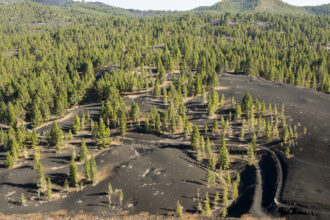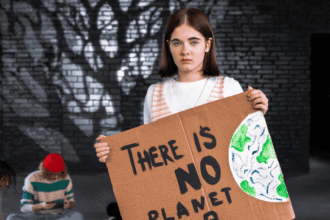
Forests are often called the lungs of our planet—and for good reason. They absorb carbon dioxide, release oxygen, regulate rainfall, and provide habitat for countless species. Yet, in recent decades, the world’s forests have been disappearing at an alarming rate due to deforestation, logging, and land conversion for agriculture. This loss is not only a tragedy for biodiversity but also a major driver of climate change. Forest conservation has become one of the most powerful tools available to mitigate global warming, support sustainable livelihoods, and restore balance to the Earth’s ecosystems.
Forests as Natural Climate Regulators
Forests play a vital role in maintaining the planet’s climate stability. Through photosynthesis, trees absorb carbon dioxide (CO₂)—one of the main greenhouse gases—and store it as carbon in their trunks, branches, leaves, and roots. This process, known as carbon sequestration, helps offset emissions from human activities such as burning fossil fuels.
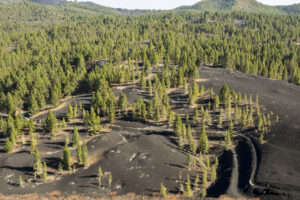
The world’s forests collectively store hundreds of billions of tons of carbon, making them crucial allies in the fight against global warming. When forests are destroyed or degraded, however, this stored carbon is released back into the atmosphere, intensifying climate change. In fact, deforestation accounts for nearly 10–15% of global greenhouse gas emissions—a figure comparable to the entire transportation sector.
Healthy forests also regulate local and global weather patterns. They influence rainfall, stabilize soil, and reduce the risk of floods and droughts, ensuring that ecosystems and human communities remain resilient in the face of changing climates.
Deforestation and Its Climate Consequences
Deforestation, particularly in tropical regions such as the Amazon Basin, Southeast Asia, and Central Africa, has devastating consequences for the global climate. Much of this destruction is driven by agriculture—especially cattle ranching, palm oil production, and soy cultivation—as well as illegal logging and mining.

When trees are cut down or burned, the carbon they have stored for decades or centuries is suddenly released as CO₂. This not only contributes to rising temperatures but also reduces the planet’s capacity to absorb future emissions. The loss of forests also disrupts the water cycle, leading to altered rainfall patterns that can trigger desertification and food insecurity.
The degradation of forest soils further compounds the problem. Without tree cover, soil erosion accelerates, releasing additional carbon and reducing land fertility—creating a vicious cycle of environmental decline.
Biodiversity: The Hidden Power of Forests
Beyond their role as carbon sinks, forests are home to about 80% of the world’s terrestrial biodiversity. They provide food, shelter, and breeding grounds for millions of plant and animal species. This biodiversity is essential for maintaining ecosystem balance and resilience.

When forests are destroyed, countless species face extinction, disrupting ecosystems that have evolved over millennia. Biodiversity loss also undermines climate resilience—ecosystems with rich species diversity are better equipped to adapt to environmental changes and recover from disturbances such as fires or droughts.
Protecting forests, therefore, is not just about preserving trees—it’s about safeguarding the intricate web of life that supports the Earth’s natural systems.
Forest Conservation as a Climate Solution
Forest conservation offers one of the most cost-effective and immediate solutions to climate change. According to scientists, preserving and restoring forests could deliver up to one-third of the emission reductions needed to meet global climate goals.
There are three main strategies for achieving this:
- Preventing Deforestation: Stopping forest loss in high-risk areas prevents massive carbon releases and protects biodiversity.
- Sustainable Forest Management: Using resources responsibly—such as selective logging and replanting—ensures forests can regenerate while still providing economic benefits.
- Reforestation and Afforestation: Planting new trees and restoring degraded landscapes help rebuild carbon sinks and revive ecosystems.
Programs like REDD+ (Reducing Emissions from Deforestation and Forest Degradation), established by the United Nations, incentivize developing countries to preserve forests by offering financial rewards for emission reductions. These initiatives demonstrate that conservation and economic growth can coexist when policies prioritize sustainability.
The Role of Indigenous Communities
Indigenous peoples are among the most effective stewards of the world’s forests. Their traditional knowledge, sustainable practices, and deep cultural connection to the land have preserved vast forest areas for generations. Studies show that forests under indigenous management often experience lower deforestation rates and higher biodiversity than protected areas managed by governments.
Recognizing and securing indigenous land rights is, therefore, a cornerstone of successful forest conservation. Supporting these communities ensures that conservation efforts are both ethical and effective, empowering those who have long acted as guardians of the Earth’s natural resources.
Forest Conservation and the Global Economy
Protecting forests is not just an environmental imperative—it’s an economic one. Forests provide valuable ecosystem services, from clean water and air to pollination and climate regulation. The World Bank estimates that forest-based livelihoods support more than 1.6 billion people worldwide, many of whom live in rural or low-income regions.
Sustainable forestry, ecotourism, and carbon credit markets are opening new economic opportunities that align with conservation goals. As investors and governments increasingly recognize the long-term financial benefits of ecosystem preservation, green finance is becoming a key driver in forest protection.
Challenges and the Path Forward
Despite growing awareness, forest conservation faces significant challenges: illegal logging, weak governance, corruption, and the demand for agricultural land continue to fuel deforestation. Climate change itself—through wildfires, pests, and extreme weather—further threatens forest health.
To move forward, global cooperation is essential. Governments must strengthen enforcement mechanisms, corporations must adopt sustainable sourcing practices, and individuals must reduce their consumption of products linked to deforestation. Education and community engagement will also play vital roles in fostering a culture of respect and responsibility toward nature.
Forests are among the Earth’s greatest treasures—a living system that sustains all forms of life. Conserving them is not merely an environmental goal; it is a moral, economic, and ecological necessity. By protecting forests, humanity not only slows the pace of climate change but also preserves the planet’s most powerful symbol of life and renewal. The future of our climate, biodiversity, and civilization depends on the choices we make today.
FAQs
How do forests help fight climate change?
Forests absorb carbon dioxide, regulate temperatures, and maintain rainfall patterns, helping to stabilize the global climate.
What are the main causes of deforestation?
Agriculture, logging, mining, and infrastructure expansion are the leading causes of deforestation worldwide.
Why is biodiversity important in forests?
Biodiversity strengthens ecosystems, allowing them to recover from disturbances and adapt to climate changes.
What can individuals do to support forest conservation?
People can reduce paper and palm oil consumption, support sustainable brands, plant trees, and advocate for conservation policies.
What is REDD+?
REDD+ is a United Nations program that rewards developing countries for reducing emissions from deforestation and promoting sustainable forest management.