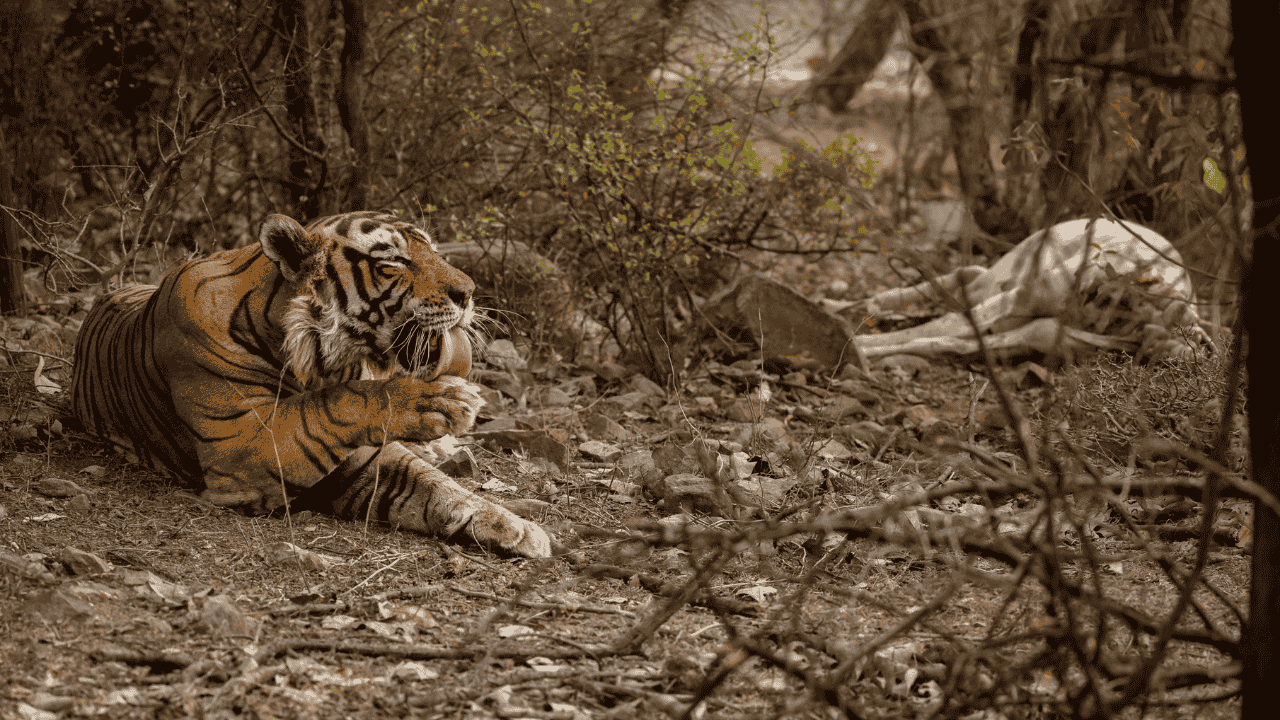
Global temperatures have been steadily rising over the past few decades, reshaping ecosystems and altering the delicate balance of life across the planet. Among the most striking consequences of this warming trend is the shift in wildlife migration patterns. From birds arriving earlier in spring to marine species moving toward cooler waters, climate change is forcing animals to adapt in ways that could permanently transform ecosystems. In this article, we explore how rising global temperatures are influencing migration behaviors, the underlying ecological mechanisms, and what this means for biodiversity and conservation efforts in the years to come.
Changing Climate, Changing Cues
Migration is one of nature’s most remarkable phenomena. It is typically driven by predictable environmental cues—like temperature changes, daylight length, and food availability—that signal when to move and where to go. However, as global temperatures rise, these cues are shifting unpredictably. Many species that depend on specific seasonal signals are finding themselves out of sync with the environments they have relied on for millennia.
For example, warmer spring temperatures in northern regions have caused some migratory birds to arrive earlier at their breeding grounds. While this may seem advantageous, it can create mismatches between the timing of their arrival and the availability of crucial food resources, such as insects or flowering plants. In other cases, delayed temperature shifts confuse species that depend on colder signals to trigger migration, causing them to linger too long in warming habitats.
Birds on the Move: Early Arrivals and Shifting Routes
Birds are among the most closely studied migratory species, and they offer clear evidence of how climate change is altering natural patterns. Over the past several decades, ornithologists have documented significant changes in migration timing, duration, and even routes.
Earlier Migrations
Species such as the barn swallow, blackcap, and American robin are arriving at their breeding grounds days or even weeks earlier than they did just a few decades ago. This shift is largely linked to warmer spring temperatures and changes in wind patterns. While early arrival might allow some birds to secure better nesting sites, it can also mean that the insects or plants they rely on are not yet abundant—creating food shortages during critical breeding periods.
Altered Routes and Destinations

In addition to timing changes, rising temperatures are pushing some species to expand or shift their traditional migration routes. Many Arctic-nesting birds, for instance, are now breeding farther north as ice melts earlier each year. Similarly, migratory waterfowl have been observed wintering farther north than before, as milder winters make previously inhospitable areas suitable for overwintering. These range shifts, while adaptive in the short term, could cause cascading effects on ecosystems and increase competition with resident species.
Marine Life on the Move
The oceans are warming even faster than the land, and marine species are responding by moving toward the poles or into deeper, cooler waters. These shifts are occurring across multiple levels of the food web—from plankton to fish to marine mammals.
Fish Migration and Distribution Changes
Species like mackerel, cod, and herring have been observed migrating northward as ocean temperatures rise. In the North Atlantic, for instance, fish populations that once thrived in temperate waters are now found closer to Arctic regions. This has major implications for global fisheries, as traditional fishing grounds become less productive while new regions open up in previously colder waters.
Marine Mammals and Coral Ecosystems
Marine mammals such as whales and seals are also altering their migratory routes to follow shifting prey distributions. Warmer seas affect plankton blooms and the abundance of krill—key food sources for many marine animals. Meanwhile, coral bleaching events caused by rising sea temperatures disrupt the habitats that many species rely on, forcing migrations that can span thousands of miles.
Land Animals Facing Fragmented Habitats
Terrestrial species, too, are being forced to move to cooler areas. Mammals like elk, caribou, and pikas are migrating to higher elevations or latitudes as temperatures increase. However, these migrations are increasingly constrained by human development, deforestation, and habitat fragmentation. Unlike birds or fish, land mammals often face physical barriers such as roads, cities, or agricultural lands that prevent free movement, making adaptation more difficult.
This restricted mobility can lead to population declines, genetic isolation, and even local extinctions. For example, the American pika—a small mammal native to mountainous regions—is disappearing from lower-elevation habitats as warming temperatures make them uninhabitable.
Ecological Consequences of Migration Shifts
When species change their migration timing or routes, the effects ripple throughout entire ecosystems. Predator-prey relationships, pollination networks, and competition dynamics can all be disrupted. For example, if pollinators like butterflies or bees migrate earlier due to warmer temperatures but plants do not bloom at the same time, ecosystems can experience a breakdown in pollination services. Similarly, birds that rely on specific insect species for feeding may face shortages if insect life cycles shift out of sync.
Such “phenological mismatches” are becoming more common and may reduce reproductive success, alter community structures, and ultimately threaten biodiversity stability.
The Role of Conservation and Mitigation
Understanding and responding to these migration changes is critical for conservation. Wildlife corridors—protected pathways that allow animals to move between fragmented habitats—are one of the most effective strategies for helping species adapt to shifting climates. Similarly, protecting diverse and connected ecosystems ensures that animals have options for relocation as their traditional habitats become less suitable.
On a global scale, reducing greenhouse gas emissions remains the single most important action to limit further temperature rises. Stabilizing the climate helps slow the pace of ecosystem disruption, giving species time to adapt naturally.
Looking Ahead: Adaptation and Uncertainty
While many species demonstrate remarkable adaptability, the rapid pace of climate change poses challenges that exceed the natural rate of evolution. The coming decades will likely see continued shifts in migration patterns, with some species thriving in new environments while others struggle to survive. Ongoing research—particularly through satellite tracking, citizen science programs, and ecological modeling—is vital to understanding these dynamics and informing future conservation efforts.
Ultimately, the story of changing migration patterns is not just about animals moving from one place to another—it is a reflection of how deeply climate change is transforming the natural world. Humanity’s response in the next few decades will determine whether these migrations represent resilience or the beginning of widespread ecological decline.
FAQs
How do scientists track migration changes in wildlife?
Scientists use tools like satellite tracking, banding, GPS collars, and citizen science observations to monitor migration routes and timing. These technologies provide valuable data for understanding how climate change affects animal movement.
Are all species migrating earlier because of climate change?
Not all species are migrating earlier—some are delaying or shortening migrations depending on how their local environment is changing. The effects vary widely by species, region, and ecological niche.
How does migration change affect ecosystems?
Altered migration timing or routes can disrupt predator-prey relationships, breeding cycles, and food availability, leading to broader ecological imbalances.
What can humans do to help migrating species?
Supporting habitat conservation, reducing carbon emissions, and creating wildlife corridors can help species adapt to changing conditions caused by rising temperatures.
Will all species be able to adapt to climate change?
Unfortunately, no. While some species can adjust their behavior or move to new habitats, others with specialized ecological requirements or limited mobility may face population declines or extinction.