Deforestation remains one of the most pressing environmental challenges of our time. While forests have long been regarded as the lungs of our planet—absorbing carbon dioxide, releasing oxygen, and nurturing countless species—their destruction continues at an alarming rate. The loss of forests doesn’t just mean the disappearance of trees; it represents a profound shift in how the Earth’s climate, ecosystems, and weather systems function. Understanding how deforestation influences climate stability and local ecosystems helps us grasp the broader consequences of human activity on planetary health.
The Role of Forests in Climate Regulation
Forests play a critical role in stabilizing the global climate by acting as carbon sinks. Through photosynthesis, trees absorb carbon dioxide from the atmosphere and store it in their trunks, roots, and soil. When these forests are cleared or burned, that stored carbon is released back into the atmosphere, amplifying the greenhouse effect. Tropical rainforests like the Amazon are particularly vital—they store immense amounts of carbon and help regulate rainfall patterns across continents.
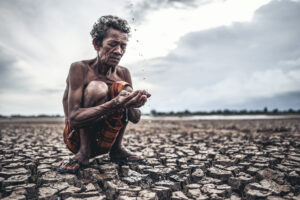
Beyond carbon absorption, forests also influence the Earth’s albedo (the reflection of sunlight). When trees are removed, the exposed ground often reflects more sunlight, altering local temperatures and precipitation patterns. This disruption contributes to more erratic weather, prolonged droughts, and increased heat waves—conditions that destabilize global and regional climates.
The Local Ecological Consequences of Deforestation
On a local level, deforestation can devastate entire ecosystems. Forests serve as complex habitats where countless species coexist in delicate balance. The removal of trees disrupts food chains, displaces wildlife, and can lead to the extinction of plant and animal species that depend on forest cover for survival.
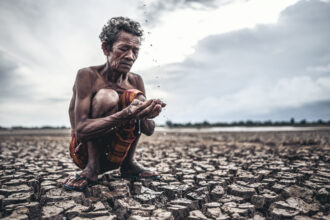
Deforestation also impacts soil quality. Tree roots anchor the soil and prevent erosion, while fallen leaves create nutrient-rich layers that sustain plant growth. Without these natural protections, rainfall washes away topsoil, reducing fertility and leaving behind degraded, barren land. This, in turn, affects local agriculture, water cycles, and human livelihoods.

Furthermore, the loss of forest cover influences local microclimates. Forests regulate humidity and temperature, providing cooler, more stable conditions. When they are destroyed, local areas often experience higher temperatures, reduced rainfall, and harsher environmental conditions—changes that can make it difficult for communities and wildlife to adapt.
The Connection Between Deforestation and Climate Instability
Deforestation’s impact extends far beyond local environments—it actively contributes to global climate instability. When vast forested regions are lost, not only is the carbon absorption capacity reduced, but weather systems also shift. For example, deforestation in the Amazon has been linked to decreased rainfall in distant regions, affecting agriculture and water resources across South America.
The increased presence of carbon dioxide and methane in the atmosphere accelerates global warming. Rising temperatures then trigger a feedback loop: as the planet warms, forest fires become more frequent, releasing even more carbon and further accelerating the cycle. This interconnectedness shows how deforestation, though often driven by localized human activities such as logging or agriculture, has ripple effects that threaten global climate equilibrium.
Human and Economic Dimensions
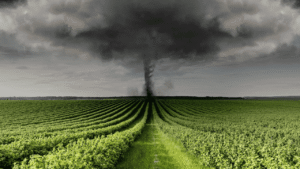
Many deforestation activities are tied to economic pursuits such as cattle ranching, palm oil production, and logging. While these industries provide short-term financial gain, they often disregard the long-term ecological costs. Indigenous communities and rural populations suffer the most from these practices, as their livelihoods and cultural traditions are closely tied to forest ecosystems.
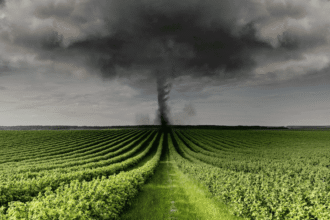
Moreover, deforestation undermines nature’s resilience against extreme weather. Floods, droughts, and landslides become more frequent and severe when forests are cleared. The loss of natural barriers leaves human settlements vulnerable to disasters, costing billions in recovery efforts and threatening food and water security.
The Path Toward Restoration and Stability
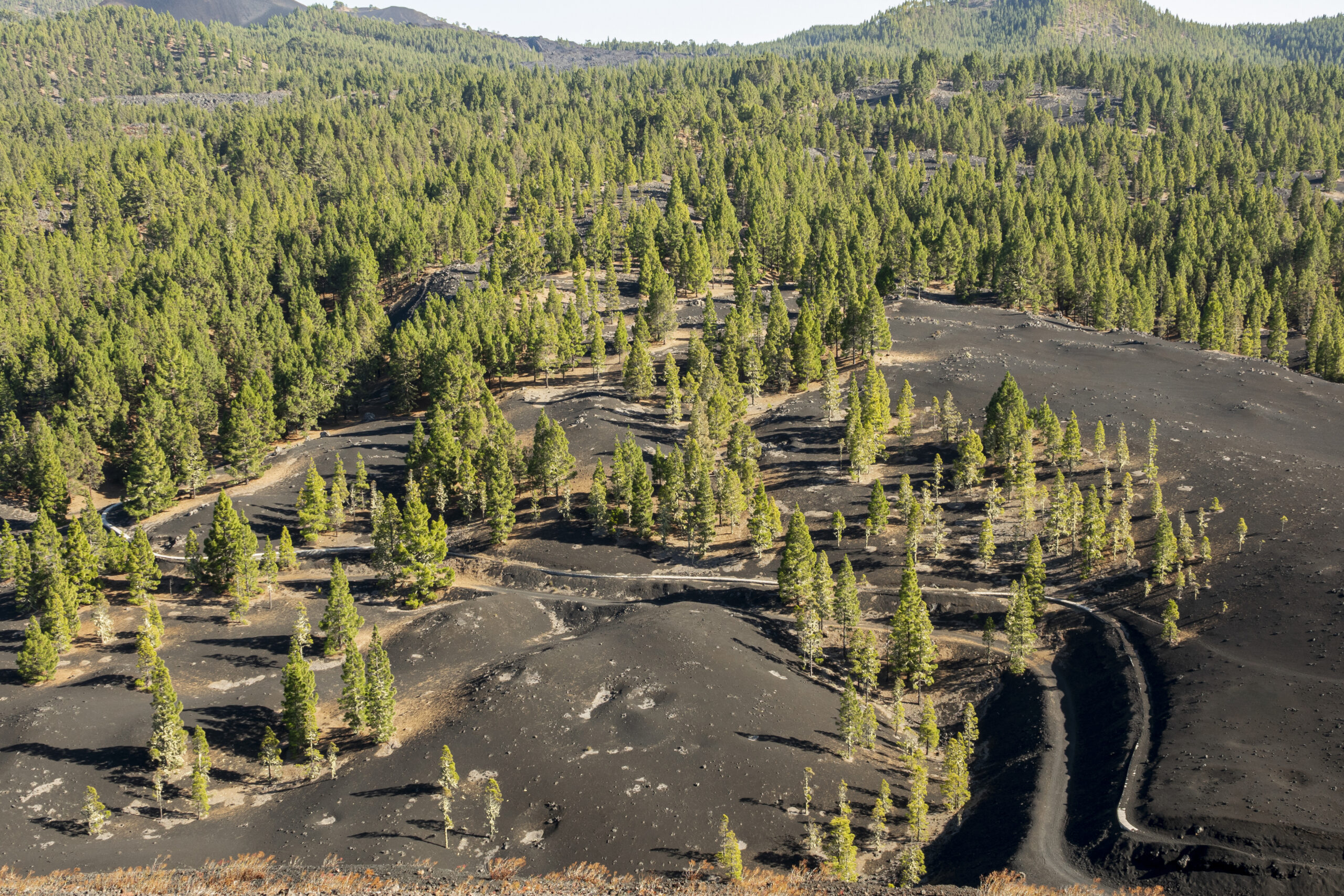
Combating deforestation requires a multifaceted approach. Reforestation and afforestation projects can help restore degraded lands and recover lost biodiversity. Sustainable forestry practices, where trees are harvested responsibly and replanted systematically, offer a more balanced path forward. Governments and organizations around the world are also working to incentivize conservation through carbon credit programs and stricter environmental regulations.
On an individual level, conscious consumer choices—such as supporting sustainably sourced products, reducing paper waste, and advocating for conservation—can collectively make a meaningful difference. Every effort to preserve or restore forest ecosystems contributes to climate stability and ensures the survival of countless species, including our own.
Deforestation continues to pose a major threat to climate stability and local ecosystems. The interdependence of forests, atmosphere, and living organisms means that every tree lost affects not just the local landscape, but the entire planet’s equilibrium. Protecting and restoring forests is more than an environmental responsibility—it is a moral and existential necessity for maintaining life on Earth.
FAQs
How does deforestation contribute to global warming?
When trees are cut down or burned, the carbon stored in them is released into the atmosphere as carbon dioxide, increasing greenhouse gas concentrations and intensifying global warming.
What are the main causes of deforestation?
Major causes include agriculture expansion, logging, mining, and infrastructure development, often driven by economic demand and population growth.
How does deforestation affect local weather patterns?
Deforestation reduces humidity, increases temperatures, and disrupts rainfall patterns, often leading to more extreme local climates.
Can reforestation reverse the effects of deforestation?
Reforestation can help restore ecosystems and absorb carbon, but it takes decades for new forests to match the ecological complexity and carbon storage capacity of old-growth forests.
How can individuals help fight deforestation?
Supporting sustainable products, reducing paper and meat consumption, donating to conservation groups, and spreading awareness all help reduce the demand for deforestation-linked industries.