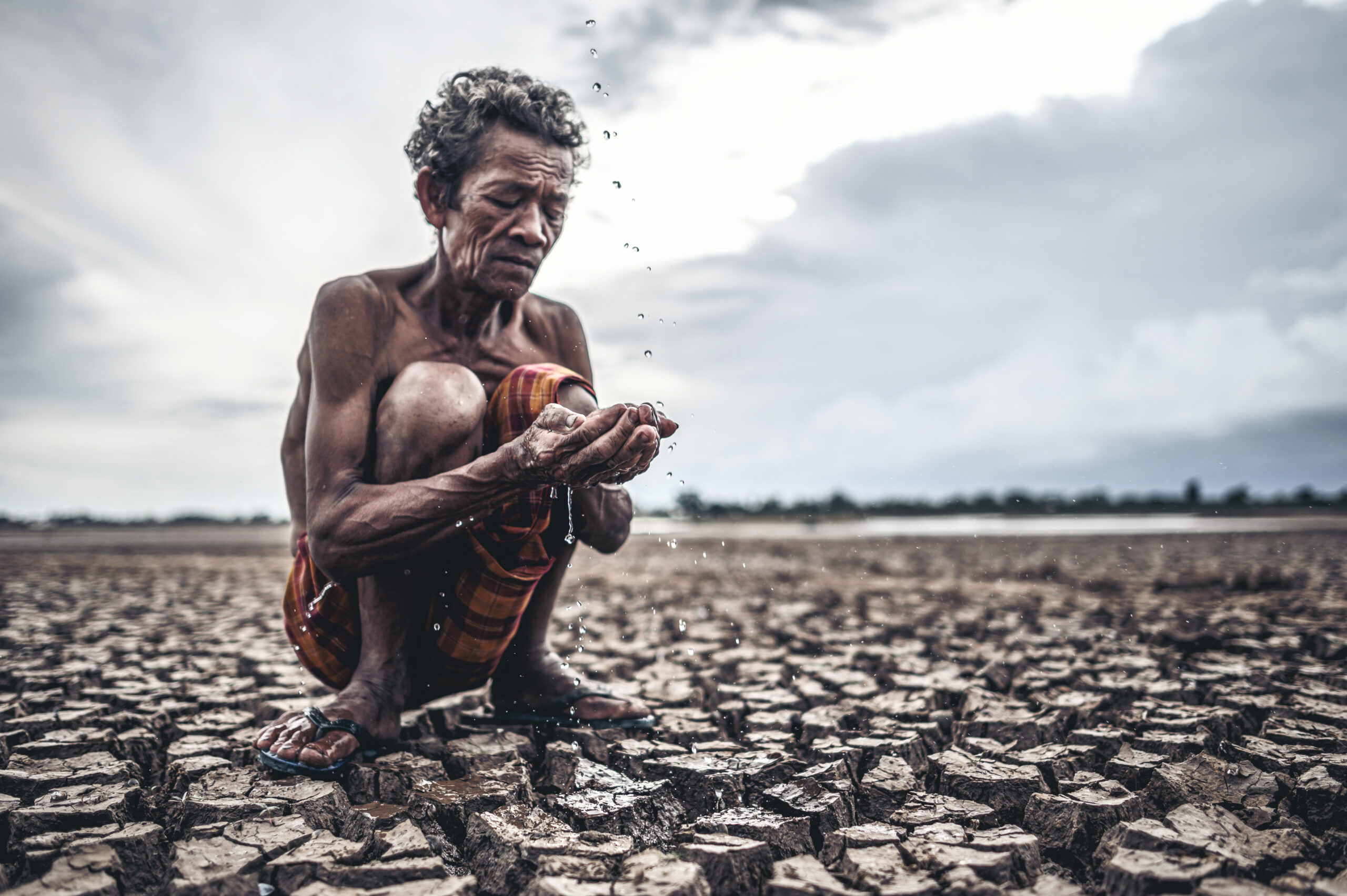
Groundwater, often referred to as the planet’s hidden lifeline, sustains billions of people worldwide. It is a critical source of drinking water, agricultural irrigation, and industrial use. However, over the past few decades, this vital resource has been depleting at an alarming rate. Groundwater depletion occurs when water is withdrawn from aquifers faster than it can naturally recharge, leading to serious environmental, economic, and social consequences. Understanding the causes, impacts, and potential solutions to groundwater depletion is essential for safeguarding the future of this irreplaceable resource.
Causes of Groundwater Depletion
The causes of groundwater depletion are complex and interconnected, often tied to human activities and unsustainable water management practices.
Over-Extraction for Agriculture
Agriculture is the largest consumer of groundwater globally. In regions with insufficient rainfall, farmers rely heavily on wells and tube wells to irrigate crops. This excessive withdrawal often exceeds natural recharge rates, especially in arid and semi-arid zones. Intensive cultivation of water-intensive crops, such as rice, cotton, and sugarcane, further accelerates depletion.
Population Growth and Urbanization
As populations expand, so does the demand for water in cities and towns. Urban areas extract vast amounts of groundwater to meet residential and industrial needs. Rapid urbanization also reduces the natural infiltration of rainwater due to concrete surfaces, which limits groundwater recharge.
Climate Change and Reduced Recharge
Climate change affects precipitation patterns, causing irregular rainfall and prolonged droughts. These changes reduce the amount of water that seeps into aquifers, while simultaneously increasing demand for groundwater during dry periods.
Industrialization and Unregulated Use

Industries often use groundwater for cooling, processing, and waste dilution. In many developing regions, groundwater extraction for industrial use goes unmonitored, leading to overuse and contamination.
Environmental Consequences of Groundwater Depletion
The overuse of groundwater doesn’t just reduce water availability—it disrupts entire ecosystems and alters the natural balance of the environment.
Declining Water Tables
One of the most direct consequences of groundwater depletion is the steady decline of water tables. As water levels drop, wells must be drilled deeper, increasing energy costs and making access more difficult for poorer communities. In some areas, aquifers have dropped to such depths that they may take centuries to replenish.
Land Subsidence
When large volumes of groundwater are extracted, the soil structure above the aquifer can compact and sink—a process known as land subsidence. This phenomenon damages buildings, roads, and infrastructure. Notably, parts of California’s Central Valley and Mexico City have experienced dramatic subsidence due to groundwater withdrawal.
Degradation of Surface Water Bodies
Groundwater and surface water are interconnected. Over-extraction of groundwater can lower river flows, dry up wetlands, and reduce lake levels. This affects aquatic ecosystems, fisheries, and the biodiversity that depends on these habitats.
Water Quality Deterioration
As groundwater levels decline, contaminants such as arsenic, fluoride, and nitrates become more concentrated. In coastal areas, over-pumping can also lead to saltwater intrusion, making freshwater wells unsuitable for drinking or irrigation.
Socioeconomic Impacts of Groundwater Depletion
Groundwater depletion has far-reaching human consequences. Farmers face declining crop yields as wells run dry, leading to food insecurity and economic hardship. Communities in developing regions often rely entirely on groundwater, meaning depletion directly threatens their survival.
In urban settings, declining groundwater levels increase water scarcity, forcing municipalities to import water from distant sources—a costly and energy-intensive solution. This can exacerbate inequality, as wealthier groups can afford deeper wells or alternative sources, while poorer populations face shortages.
Sustainable Solutions for Groundwater Management
Addressing groundwater depletion requires a combination of policy reform, technological innovation, and public awareness.
Improved Irrigation Practices
Switching from flood irrigation to water-efficient methods such as drip or sprinkler systems can significantly reduce water use. Additionally, growing drought-resistant crops and adopting precision agriculture technologies help minimize groundwater withdrawal.
Rainwater Harvesting and Artificial Recharge
Rainwater harvesting captures surface runoff and allows it to percolate into the soil, replenishing aquifers. Artificial recharge techniques—such as constructing recharge wells, ponds, and percolation tanks—help restore groundwater levels in areas facing depletion.
Regulation and Monitoring
Effective groundwater governance is essential. Governments can implement laws to regulate extraction, set withdrawal limits, and promote water-sharing arrangements. Monitoring groundwater levels through satellite and sensor technologies also helps detect and manage overuse.
Public Awareness and Community Participation
Educating communities about groundwater conservation fosters collective responsibility. In some regions, local water user associations manage groundwater sustainably by setting extraction limits and ensuring equitable distribution.
Reuse and Recycling of Water
Reusing treated wastewater for industrial and agricultural purposes can reduce dependence on groundwater. Urban planning should integrate wastewater recycling systems to promote a circular water economy.
The Path Toward a Water-Secure Future
Groundwater depletion is not an isolated issue—it’s a symptom of broader environmental mismanagement. Restoring balance requires a shift in how societies value and use water. Sustainable groundwater management must prioritize recharge, efficiency, and equity. Every drop saved contributes to a more resilient future where ecosystems thrive, agriculture remains productive, and communities have reliable access to clean water.
FAQs
What is the main cause of groundwater depletion?
The primary cause is over-extraction for agriculture, particularly in regions where irrigation demands exceed natural recharge rates.
How does groundwater depletion affect the environment?
It leads to falling water tables, land subsidence, reduced river flows, loss of wetlands, and declining water quality.
Can groundwater be replenished naturally?
Yes, but the process is slow. It relies on rainfall infiltration, which can take years or decades to restore depleted aquifers.
How can individuals help prevent groundwater depletion?
By reducing water waste, harvesting rainwater, using efficient irrigation methods, and supporting sustainable farming practices.
What are some long-term solutions to groundwater scarcity?
Reforestation, policy regulation, artificial recharge projects, and adopting technologies that monitor and manage groundwater use sustainably.