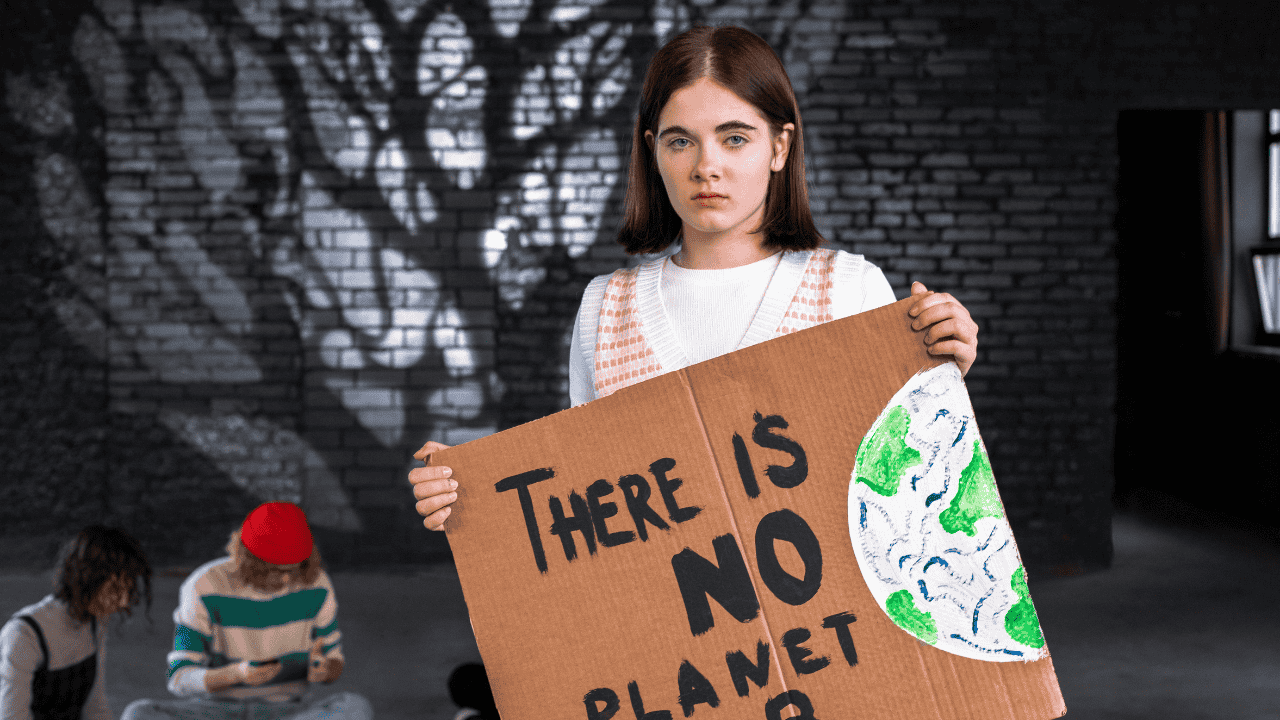
Environmental justice is more than an environmental issue—it’s a social and moral imperative. It recognizes that all people, regardless of race, income, or background, have the right to live in a clean and healthy environment. Unfortunately, pollution and environmental hazards are not distributed equally. Across the world, marginalized and low-income communities bear a heavier burden of toxic exposure, poor air quality, and unsafe living conditions. Understanding environmental justice means exploring how pollution disproportionately affects certain populations and why equitable solutions are essential for a sustainable and fair future.
The Meaning and Origins of Environmental Justice
The concept of environmental justice emerged in the late 20th century as activists began linking environmental degradation with social inequality. It became clear that environmental issues were not just about preserving nature—they were also about protecting human health and dignity.
In the United States, the movement gained momentum during the 1980s, particularly after protests in Warren County, North Carolina, where a hazardous waste landfill was placed in a predominantly African American community. This sparked a nationwide dialogue about the systemic inequalities behind environmental decision-making.
Environmental justice, at its core, demands fairness in how environmental benefits and burdens are shared. It calls for meaningful community participation in environmental policies and seeks to ensure that no group of people suffers disproportionately from pollution or ecological harm.
How Pollution Disproportionately Affects Vulnerable Communities
Pollution is a global problem, but its effects are not evenly felt. Certain communities—often defined by economic or racial lines—are far more exposed to toxic environments.
Industrial and Waste Facility Placement
Low-income and minority neighborhoods are more likely to be located near factories, refineries, waste disposal sites, and highways. These areas are often chosen for such facilities because land is cheaper and political resistance is weaker. Over time, residents are exposed to harmful pollutants such as lead, mercury, benzene, and particulate matter, leading to chronic health problems like asthma, cancer, and cardiovascular disease.
Air Pollution and Urban Inequality
Urban areas with heavy traffic and industrial activity typically have higher air pollution levels. Studies show that Black, Hispanic, and low-income populations are more likely to live in these high-pollution zones. Children in such areas suffer from elevated asthma rates, while long-term exposure increases risks of respiratory and heart diseases.
Water Contamination and Unsafe Drinking Supplies
Water quality issues often reflect broader environmental injustice. The Flint water crisis in Michigan, where predominantly Black communities faced lead-contaminated drinking water, highlighted how government neglect and poor infrastructure can devastate vulnerable populations. Similar issues persist globally, where rural and indigenous communities struggle with polluted wells and rivers due to mining, deforestation, or agricultural runoff.
Climate Change and Disproportionate Impacts
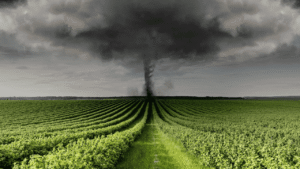
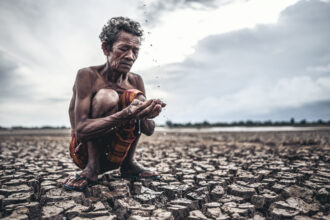
Climate change compounds environmental inequality. Communities with fewer resources are less able to prepare for and recover from extreme weather events such as floods, droughts, and hurricanes. Rising temperatures also worsen air quality, heat stress, and food insecurity—all of which disproportionately affect low-income and marginalized populations.
The Health and Social Consequences
The health impacts of environmental injustice are profound. Prolonged exposure to pollution contributes to respiratory illnesses, developmental disorders, reproductive issues, and higher mortality rates. Children and the elderly are particularly vulnerable.
Socially, environmental degradation reinforces poverty cycles. Families facing health issues or contaminated environments may struggle to work, study, or relocate. Property values often plummet in polluted neighborhoods, trapping residents in unsafe conditions. Over time, this perpetuates intergenerational inequity and deepens societal divides.
Why Environmental Justice Matters
Environmental justice is not just about the environment—it’s about human rights, dignity, and equality. When pollution disproportionately harms certain groups, it reflects systemic failures in governance, economics, and ethics. Achieving true justice requires shifting from a mindset of exploitation to one of stewardship and inclusion.
Governments, corporations, and communities must work together to identify and correct environmental inequities. This includes holding polluters accountable, enforcing stronger regulations, and ensuring all communities have a voice in environmental policymaking.
Toward Equitable and Sustainable Solutions
Solving environmental injustice requires systemic change supported by policy, education, and empowerment.
Community Empowerment and Participation
Local communities must have a seat at the table when decisions about land use, zoning, and industrial development are made. Grassroots organizations and environmental advocacy groups have been vital in bringing attention to neglected issues and demanding accountability.
Stronger Environmental Policies
Governments can enforce stricter emissions standards, monitor pollutants more effectively, and penalize industries that violate environmental laws. Integrating social equity into environmental policy ensures that benefits and protections reach those who need them most.
Green Infrastructure and Investment
Investing in green spaces, renewable energy, and clean transportation not only reduces pollution but also improves quality of life in urban and rural communities alike. Green infrastructure projects can create jobs, improve air and water quality, and enhance community resilience.
Education and Awareness
Raising awareness about environmental justice helps build public pressure for reform. Educational programs can empower youth and local leaders to advocate for cleaner, healthier communities. Knowledge is a key tool in challenging the systems that perpetuate inequality.
Environmental justice is a call to recognize that the fight for a cleaner planet is also a fight for fairness and equality. True sustainability cannot exist where some communities breathe cleaner air or drink safer water than others. By addressing pollution through an equitable lens, society can move closer to a future where every individual, regardless of background, has the right to live in a safe and thriving environment.
FAQs
What is environmental justice?
Environmental justice ensures that all people, regardless of race or income, have equal access to a clean and healthy environment, and that no group bears a disproportionate share of pollution or environmental harm.
Which communities are most affected by environmental injustice?
Low-income, minority, and indigenous communities are often the most affected, as they tend to live near industrial zones, waste sites, and polluted areas.
How does pollution affect public health?
Pollution contributes to respiratory diseases, heart problems, cancers, and developmental disorders, especially among children and vulnerable populations.
What role do governments play in environmental justice?
Governments can create and enforce policies that reduce pollution, promote sustainability, and ensure equitable distribution of environmental benefits.
How can individuals support environmental justice?
By supporting clean energy initiatives, advocating for fair policies, reducing personal waste, and backing organizations that fight for environmental equity.