The ocean, once seen as an endless expanse capable of absorbing humanity’s waste, is now revealing the devastating consequences of pollution. Among the most insidious forms of contamination are microplastics—tiny plastic fragments that pervade every layer of the marine environment, from surface waters to the deepest ocean trenches. As global plastic production continues to soar, these microscopic pollutants have emerged as a major environmental crisis, threatening marine ecosystems, food webs, and even human health. Understanding the trends, sources, and impacts of microplastics is essential for addressing one of the most complex challenges of our time.
What Are Microplastics?
Microplastics are small plastic particles measuring less than 5 millimeters in diameter. They come from two main sources: primary microplastics, which are intentionally manufactured (such as microbeads found in cosmetics and industrial abrasives), and secondary microplastics, which form when larger plastic debris breaks down due to sunlight, wave action, or mechanical wear.

Unlike organic materials, plastics do not fully decompose; they simply fragment into smaller and smaller pieces. This means that nearly every piece of plastic ever produced still exists somewhere in the environment. These particles are now ubiquitous—found in seawater, sediments, marine organisms, and even polar ice.
Global Trends in Ocean Plastic Pollution
Plastic production has skyrocketed in recent decades, exceeding 400 million tons per year, with a large portion ending up in the ocean. Rivers act as conduits, carrying plastic waste from land-based sources into marine systems. Coastal regions with poor waste management contribute significantly to this influx, while fishing activities, shipping, and aquaculture also add to the problem.
Recent studies reveal that microplastics have been detected in every major ocean basin, including remote areas like the Arctic and the Mariana Trench. Floating gyres, such as the Great Pacific Garbage Patch, accumulate massive concentrations of plastic debris, where sunlight and wave motion accelerate the fragmentation process, increasing the microplastic load in the water.

The persistence of these particles and their constant production suggest that, without intervention, the volume of plastic entering oceans could triple by 2040, posing grave consequences for marine biodiversity and global ecosystems.
How Microplastics Affect Marine Life
Microplastics affect marine organisms in multiple, interconnected ways. Their small size makes them easily ingestible by a wide range of species—from plankton to whales. Once inside an organism’s body, these particles can cause physical harm, chemical contamination, and biological disruption.
- Physical Damage: Ingestion can block digestive tracts, reduce feeding efficiency, and lead to malnutrition or starvation. Small fish and invertebrates often mistake microplastics for food, leading to reduced growth and reproductive rates.
- Chemical Contamination: Microplastics act like sponges, absorbing persistent organic pollutants (POPs), heavy metals, and other toxins from seawater. When ingested, these chemicals can leach into tissues, causing liver damage, hormonal imbalance, and reproductive issues.
- Food Web Contamination: As smaller organisms ingest microplastics, these particles move up the food chain, accumulating in larger predators—including commercially important fish and shellfish consumed by humans.
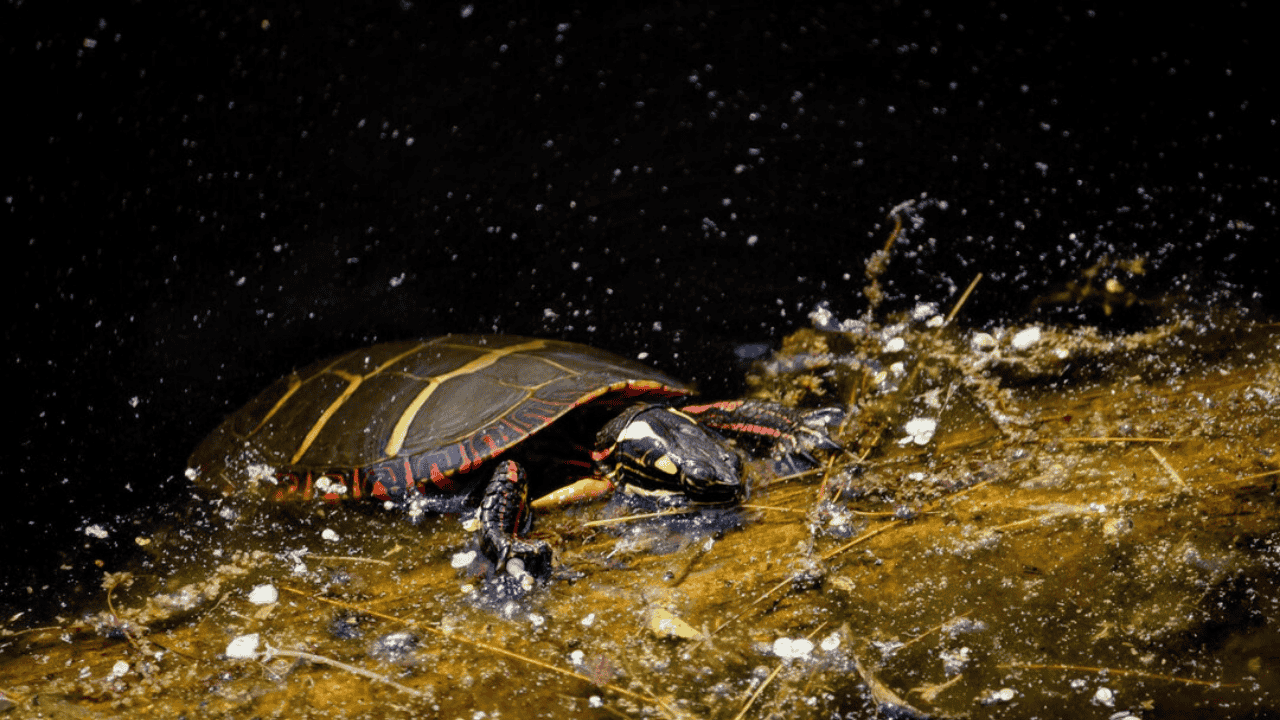
The presence of microplastics in plankton, corals, and filter feeders indicates that no level of the marine ecosystem is immune. Even seabirds, turtles, and marine mammals have been found with significant quantities of plastic in their digestive systems, often leading to fatal outcomes.
Microplastics and Coral Reefs
Coral reefs, often described as the “rainforests of the sea,” are particularly vulnerable to microplastic pollution. These delicate ecosystems can trap microplastics within their structures, impairing coral health and reducing their ability to feed and reproduce. Additionally, plastics can introduce pathogens, exacerbating coral diseases. This pollution, combined with climate change and ocean acidification, places coral reefs at severe risk of collapse—an outcome that would affect millions of species and human livelihoods dependent on them.
The Human Connection: From Ocean to Table
The cycle of microplastic pollution doesn’t end in the ocean—it comes full circle to humans. Microplastics have been detected in seafood, drinking water, and even the air we breathe. Studies show that people may ingest tens of thousands of microplastic particles each year through food and beverages alone.
While research on the health implications for humans is ongoing, early findings suggest that microplastics can cause inflammation, cellular stress, and potentially toxic effects due to the chemicals they carry. This growing evidence underscores the interconnectedness of the marine environment and human well-being—what harms the ocean ultimately harms us.
Tackling the Microplastic Crisis
Addressing microplastic pollution requires a comprehensive and collaborative global effort. Solutions must target every stage of the plastic life cycle, from production to disposal. Key strategies include:
- Reducing Single-Use Plastics: Banning or limiting items like straws, plastic bags, and microbead-containing cosmetics reduces the amount of plastic entering the environment.
- Improving Waste Management: Developing countries, in particular, need better waste collection and recycling systems to prevent leakage into waterways.
- Promoting Biodegradable Alternatives: Research into sustainable materials that break down safely in the environment is gaining momentum.
- International Cooperation: Global agreements like the UN Plastic Treaty aim to create binding commitments to curb plastic pollution.
- Public Awareness and Behavioral Change: Educating consumers about responsible plastic use and proper disposal can significantly reduce pollution at its source.
Technological innovations, such as ocean cleanup devices and microplastic filters in washing machines, are also emerging as part of the solution. However, long-term change will depend on reducing plastic dependence altogether and transitioning toward a circular economy that values reuse and sustainability.
The growing threat of microplastics highlights a sobering truth: human activity has altered even the most remote corners of the ocean. Yet, it also offers an opportunity for collective action and innovation. By rethinking our relationship with plastic, enforcing stronger policies, and investing in clean technologies, we can protect the marine world that sustains life on Earth. The health of our oceans reflects the health of our planet—and of ourselves.
FAQs
What are microplastics made of?
Microplastics are made from various polymers, including polyethylene, polypropylene, polystyrene, and nylon—materials commonly found in packaging, textiles, and consumer goods.
How do microplastics enter the ocean?
They enter through stormwater runoff, wastewater discharge, littering, and degradation of larger plastic waste in marine environments.
Do microplastics harm all marine species?
Yes, microplastics affect a wide range of organisms—from plankton to whales—through ingestion, toxicity, and habitat degradation.
Can microplastics be removed from the ocean?
While cleanup technologies exist, removing microplastics entirely is nearly impossible due to their small size and widespread distribution. Prevention remains the best solution.
How can individuals help reduce microplastic pollution?
People can reduce plastic use, support bans on single-use plastics, choose natural fibers over synthetic ones, and recycle responsibly.