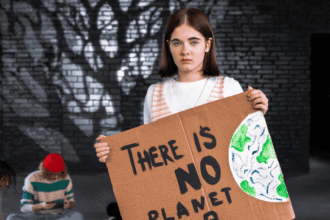
Fast fashion has revolutionized the way we consume clothing—offering trendy, affordable garments at an unprecedented pace. Yet behind this convenience lies a hidden price tag that the planet can no longer afford. The fashion industry, driven by rapid production cycles and consumer demand for cheap apparel, has become one of the largest contributors to global pollution, waste, and resource depletion. Understanding the environmental cost of fast fashion and textile waste reveals how our clothing choices are intricately linked to the health of our planet—and what can be done to create a more sustainable future.
The Rise of Fast Fashion
Fast fashion refers to the mass production of inexpensive clothing designed to capture the latest trends and reach consumers quickly. Major retailers produce new collections weekly or even daily, encouraging a culture of constant consumption.

This business model relies on low production costs, which often means outsourcing labor to countries where wages are minimal and environmental regulations are weak. While this approach keeps prices low for consumers, it comes at the expense of both workers’ rights and environmental health.
The rapid turnover of styles also encourages disposable fashion—where garments are worn only a few times before being discarded. This cycle fuels immense textile waste and intensifies the industry’s environmental footprint.
The Hidden Environmental Impact of Fast Fashion
The environmental toll of fast fashion spans the entire lifecycle of a garment—from raw material production to disposal.
Water Overuse and Pollution

The textile industry is one of the most water-intensive sectors in the world. Producing a single cotton T-shirt can require over 2,700 liters of water—enough for one person to drink for more than two years.
Beyond consumption, water pollution is a major issue. Textile dyeing and finishing processes release untreated chemicals and heavy metals into rivers and streams. In some manufacturing hubs, such as Bangladesh and India, waterways have turned toxic from dye runoff, harming aquatic life and contaminating local drinking supplies.
Synthetic Fibers and Microplastic Pollution
While natural fibers like cotton and wool have their own environmental challenges, synthetic materials such as polyester, nylon, and acrylic introduce a new layer of pollution. These fibers are derived from petroleum, a non-renewable resource, and shed microplastics with every wash.
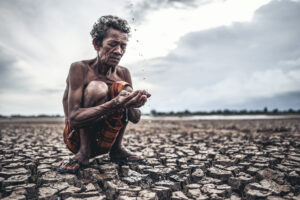
Microplastics from clothing end up in oceans and waterways, where they are ingested by marine life and eventually enter the human food chain. Studies have found that synthetic textiles are among the leading sources of microplastic pollution worldwide.
Carbon Emissions and Energy Use
Fast fashion is a major contributor to global greenhouse gas emissions. The production, transportation, and disposal of clothing generate an estimated 8–10% of total global carbon emissions—more than international aviation and shipping combined.
Factories powered by coal and other fossil fuels drive much of this pollution. Moreover, the global supply chain—from growing cotton and producing fabric to distributing finished garments—relies heavily on energy-intensive processes.
Textile Waste and the Throwaway Culture
One of the most visible consequences of fast fashion is textile waste. Millions of tons of clothing are discarded every year, much of it ending up in landfills or being incinerated. In the United States alone, an estimated 85% of all textiles go to waste annually.
Landfills filled with synthetic fabrics pose long-term problems, as these materials can take hundreds of years to decompose while releasing methane and toxic chemicals. Meanwhile, donated clothing often floods markets in developing countries, undermining local textile industries and contributing to waste abroad.
The Social and Ethical Dimensions
The environmental cost of fast fashion cannot be separated from its social implications. To maintain low prices, many brands rely on exploitative labor practices in countries with poor working conditions. Workers—often women—face long hours, unsafe factories, and minimal pay.
Environmental degradation and human rights abuses are often intertwined. Communities near textile factories suffer from polluted water and soil, while those living near waste dumps face exposure to harmful chemicals. The environmental crisis of fashion is also a humanitarian one.
Moving Toward Sustainable Fashion
While the fast fashion model is deeply ingrained in global commerce, a more sustainable approach to clothing is possible through innovation, awareness, and mindful consumption.
Sustainable Materials and Production Methods
Brands can reduce their footprint by adopting eco-friendly fabrics such as organic cotton, hemp, bamboo, or recycled fibers. Cleaner dyeing technologies, closed-loop systems, and waterless production methods can significantly cut down pollution.
The growing use of circular fashion—where materials are reused, recycled, or upcycled—offers a pathway to minimizing waste. Innovations in biodegradable textiles and fabric recycling are also helping to close the loop in production.
Ethical and Transparent Supply Chains
Transparency is key to accountability. Consumers are increasingly demanding to know where and how their clothes are made. Brands that prioritize fair wages, safe working conditions, and environmentally responsible sourcing are leading the shift toward ethical fashion.
Conscious Consumer Choices
Individual choices matter. Buying fewer, higher-quality garments and extending the life of clothing through repair, reuse, and resale can drastically reduce textile waste. Thrift shopping, clothing swaps, and supporting sustainable brands are practical steps toward responsible consumption.
Government Regulations and Industry Accountability
Policymakers can drive change through regulations that limit pollution, require producer responsibility for textile waste, and incentivize sustainable practices. Extended producer responsibility (EPR) programs, for instance, make brands accountable for their products throughout their lifecycle.
A Future of Sustainable Style
The environmental cost of fast fashion is immense, but it is not irreversible. The growing awareness among consumers, designers, and policymakers is reshaping the industry toward sustainability. By valuing quality over quantity and respecting the resources that go into every garment, society can move away from the wasteful throwaway culture that defines fast fashion today.
Fashion has the power to express individuality and creativity—but true style should also reflect responsibility and care for the planet. A conscious shift in how we produce and consume clothing is not just a trend; it’s an urgent necessity for a sustainable future.
FAQs
What is fast fashion?
Fast fashion refers to the rapid production of inexpensive, trendy clothing designed to meet current fashion demands while encouraging frequent purchases.
How does fast fashion harm the environment?
It depletes natural resources, pollutes water bodies, emits greenhouse gases, and generates massive textile waste that often ends up in landfills.
What materials are most harmful in the fashion industry?
Synthetic fibers like polyester and nylon are harmful due to their petroleum base and the microplastics they release into the environment.
How can consumers reduce fashion waste?
By buying less, choosing durable garments, supporting sustainable brands, and recycling or repurposing old clothing.
What does sustainable fashion mean?
Sustainable fashion focuses on ethical production, eco-friendly materials, and reducing waste throughout a garment’s life cycle.