Climate change has emerged as one of the most defining forces influencing water availability across the globe. From parched farmlands to overburdened urban reservoirs, its impact is both far-reaching and deeply interconnected with human life. The shifting climate is altering rainfall patterns, intensifying droughts and floods, and transforming how communities—rural and urban alike—access and manage their most vital resource: water. Understanding these changes is essential for building resilience and ensuring sustainable development in the face of growing uncertaint.
The Shifting Hydrological Cycle
At the heart of the water crisis lies a changing hydrological cycle. Rising global temperatures accelerate evaporation, altering precipitation patterns and leading to more extreme weather events. Some regions are witnessing longer dry spells, while others are facing more intense rainfall and flooding. These shifts disrupt natural recharge systems, causing rivers, lakes, and aquifers to behave unpredictably.
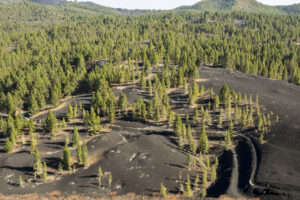
In many rural areas, where agriculture depends heavily on predictable rainfall, these variations can devastate crop yields and local economies. Meanwhile, urban regions face the opposite challenge: too much water, too fast. Cities built with outdated drainage systems struggle to manage torrential rains, leading to flooding, infrastructure damage, and water contamination.
The Growing Rural Water Crisis
Rural communities are often the first to feel the effects of climate-induced water stress. With limited infrastructure and financial resources, they rely heavily on natural sources such as groundwater, rivers, and rainfall. As these sources become increasingly unreliable, rural livelihoods are at risk.
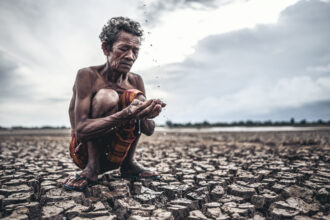
In agricultural regions, declining rainfall and prolonged droughts reduce irrigation potential, threatening food security and income. Farmers often resort to over-extraction of groundwater to compensate, which leads to depletion of aquifers and long-term unsustainability. Additionally, warmer temperatures cause higher rates of evaporation from soil and reservoirs, further reducing available water.

In some parts of the world, particularly in developing nations, women and children—who are traditionally responsible for collecting water—must travel farther each day, placing additional social and economic burdens on rural households.
Urban Centers Under Pressure
While rural regions grapple with scarcity, urban centers are confronting a different but equally complex challenge: managing demand amid growing populations and changing weather patterns. Rapid urbanization has increased water consumption dramatically, while aging infrastructure struggles to keep pace.
Climate change compounds these challenges. Heavy rainfall events can overwhelm drainage systems, leading to flash floods that contaminate clean water supplies. Conversely, extended dry seasons can deplete reservoirs faster than they can be replenished. Cities like Cape Town and Chennai have already faced near “Day Zero” scenarios, where taps were close to running dry—a warning sign of what could become more common.
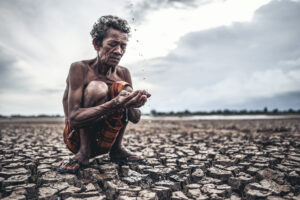
Moreover, the urban heat island effect intensifies evaporation rates, exacerbating water scarcity even in regions that traditionally received ample rainfall.
The Interconnected Nature of Rural and Urban Water Systems
Rural and urban water systems are deeply intertwined. Cities often rely on rural catchment areas, rivers, and aquifers for their water supply. When rural ecosystems degrade due to deforestation, soil erosion, or overuse, the urban supply chain is also affected. Diminished rural water quality and quantity can lead to increased treatment costs and lower availability for city dwellers.
At the same time, urban demand can worsen rural water stress. Diverting rivers and constructing dams for city consumption often reduces the amount of water available for agricultural use downstream. This dynamic has led to growing tensions between rural and urban communities in several parts of the world.
Sustainable management requires viewing water as a shared resource rather than a segmented one. Integrated water resource management (IWRM) frameworks, which balance the needs of different regions and sectors, are becoming essential tools for climate adaptation.
Adapting to a Changing Climate
To address these challenges, both rural and urban areas must embrace adaptive strategies that prioritize sustainability, conservation, and equitable access. In rural areas, investment in water-efficient irrigation systems, rainwater harvesting, and soil moisture conservation can help reduce vulnerability. Protecting natural ecosystems such as wetlands and forests also enhances water retention and quality.
Urban regions can implement smart water management technologies, such as real-time monitoring of supply and leakage detection systems. Green infrastructure—like permeable pavements, urban forests, and rain gardens—can mitigate flooding and recharge groundwater.
Additionally, policy reforms and cross-sector collaboration are vital. Governments, businesses, and local communities must work together to ensure fair water distribution and long-term resilience. Public education campaigns on water conservation can also foster more responsible usage across all demographics.
Climate change is not just a scientific or environmental issue—it is a deeply human one. As water becomes more unpredictable, societies must adapt collectively, blending innovation with stewardship. The future of water security depends on how effectively we balance the needs of nature, agriculture, and urban growth within an increasingly volatile climate system. Ensuring equitable access to clean water will define not only the sustainability of our environment but also the stability of our societies.
FAQs
How does climate change affect groundwater?
Climate change influences groundwater through changes in rainfall and evaporation. Reduced precipitation and higher temperatures mean less recharge to aquifers, while over-extraction during droughts depletes reserves faster than they can naturally replenish.
Why are rural areas more vulnerable to water scarcity?
Rural areas often depend on rainfall and natural water bodies, with limited infrastructure for storage and distribution. Economic constraints also limit their ability to invest in adaptive systems.
What can cities do to prevent future water shortages?
Cities can adopt water recycling, invest in desalination where feasible, and improve leak management systems. Encouraging green spaces and stormwater capture also helps maintain local water cycles.
How can individuals contribute to water conservation?
Simple steps like fixing leaks, using low-flow fixtures, and reducing water waste in daily activities make a significant impact. Supporting community conservation programs amplifies this effect.